Research at Radial

Backed by research.
Driven by care.

Radial clinicians don't just follow the research, they conduct it. From neuromodulation to digital psychiatry, our team actively publishes and participates in clinical trials, ensuring every patient receives care that is grounded in the best available evidence.


Publications

July/August 2026
Mescaline
Psychedelic Therapy: A Primer for Primary Care Clinicians—Mescaline
Burton J. Tabaac¹ ², Kenneth Shinozuka³ ⁴, Mahdi Fadel⁵, Greg Jones⁶, Jared Worchel¹ ⁷, Owen S. Muir⁸
The paper covers mescaline, a classic serotonergic psychedelic with a long history of indigenous ceremonial use, noting renewed scientific interest in its potential psychiatric benefits when used in psychedelic-assisted therapy. It acts mainly through 5-HT2A receptor agonism. The authors note a lack of controlled trials in actual patient populations — most modern safety data comes from healthy volunteers — leaving open questions about safety in people with cardiovascular, metabolic, or psychiatric comorbidities, plus uncertainty around psychological risks and the drug's long duration of action. Placebo-controlled studies in healthy participants show dose-dependent subjective effects with only moderate, transient autonomic stimulation and no serious medical complications; adverse effects tend to be self-limited. Overall, the review concludes mescaline looks preliminarily safe in healthy humans but remains understudied clinically, and calls for controlled trials to establish safety and therapeutic potential.
No items found.
Mescaline
May/June 2026
TMS
Functional Recovery After Multimodal Noninvasive Neuromodulation for Multimorbid PTSD, Bipolar Mania With Psychosis, and Psoriatic Arthritis
Amna Aslam 1,2, Muhammad A. Khan 1,3, Aron Tendler 4, Oded Kraft 4, Owen Muir 1
Can targeted brain stimulation help when several severe, seemingly unrelated illnesses collide in one patient? This case report describes an individual with treatment-resistant PTSD, bipolar mania with psychosis, and psoriatic arthritis who achieved meaningful functional recovery after a course of multimodal noninvasive neuromodulation. Alongside marked psychiatric improvement, the patient's inflammatory joint symptoms also eased — pointing to possible shared mind-body pathways that brain stimulation may influence. Though based on a single case, the report suggests noninvasive neuromodulation could be worth exploring for complex, multimorbid presentations that resist conventional treatment.
PTSD
Bipolar
TMS
May 2026
AI / Digital Psychiatry
Cross-Dataset Evaluation of an Automated Video-Based Model for Detecting Tardive Dyskinesia Using the Clinician's Tardive Inventory: Validation Study
Trosch R, Sterns A, Grimm B, Larsen L, Talbot B, Ma F, Ranjan R, MacMillan C, Hughes J, Friedman J, Muir O
Can AI reliably spot a movement disorder that clinicians routinely miss? This validation study found that an AI-powered video analysis model accurately detected tardive dyskinesia — a common side effect of long-term antipsychotic use — even when video recordings weren't collected under standardized conditions. The model showed strong agreement with expert clinician ratings and high diagnostic accuracy, suggesting it could support earlier, more consistent screening in real-world clinical settings.
Movement Disorders
AI / Digital Psychiatry
March 2026
TMS
Patient-reported outcomes following accelerated vs. standard TMS with the H1 coil for major depression: A multisite randomized trial
Tendler A, Roth Y, Bates M, Brink E, Davis M, DeBrocco D, Ellis S, Jones L, Khan A, Luce S, McMillan C, Mudunuru AK, Muir O, Pell GS, Prestley T, Reddy MS, Rodriguez N, Seplow S, Slomowitz N, Stein A, Thistlethwaite DM, Voltin R, Williams N, Hanlon CA.
What does recovery actually feel like for patients — and does it matter how fast treatment happens? This multisite randomized trial found that accelerated TMS delivers patient-reported improvements in depression, anxiety, and quality of life comparable to standard treatment, with faster perceived relief.
Depression
Anxiety
TMS
March 2026
Accelerated TMS
Accelerated TMS with the H1-coil for depression: A multisite, randomized non-inferiority trial
Colleen A. Hanlon, Yiftach Roth, Richard A. Bermudes, Eliza Brink, Molly Davis, Dawn DeBrocco, Shelli Ellis, Lindsey Jones, Aftab Khan ∙ Carlene MacMillan, Aswin Kumar Mudunuru, Owen Muir, Gabriel S. Pell, Timothy Prestley, M.S. Reddy, Adi Rachelson, Elyssa Sisko, Samson Seplow, Natanya Slomowitz, Ahava Stein, Daniel B. Thistlethwaite, Russ Voltin, Aron Tendler
Can depression be treated just as effectively in days instead of weeks? This multisite randomized trial shows accelerated TMS delivers comparable patient outcomes to standard treatment—while significantly reducing time to relief.
Depression
Accelerated TMS
Oct 2025
Deep TMS
Accelerated Deep TMS for Depression: Results from a Multisite, Randomized Non-Inferiority Trial
Colleen A Hanlon, Yiftach Roth, Richard A Bermudes, Eliza Brink, Molly Davis, Dawn DeBrocco, Shelli Ellis, Lindsey Jones, Aftab Khan, Carlene MacMillan, Aswin Kumar Mudunuru, Owen Muir, Gabriel S Pell, Timothy Prestley, MS Reddy, Elyssa Sisko, Samson Seplow, Natanya Slomowitz, Ahava Stein, Daniel B Thistlewaite, Russ Voltin, Aron Tendler
Fewer visits shouldn't mean worse outcomes. This multisite non-inferiority trial found that accelerated Deep TMS — compressed into six half-day sessions — matched standard weeks-long protocols in response and remission rates, with faster time to remission.
Depression
Deep TMS
Oct 2025
Mentalizing-Based Therapy
Basic Concepts in Mentalizing-Based Therapy for Adolescents With Mood Dysregulation
Laurel L Williams, Owen S Muir, Sindhu A Idicula, Carl Fleisher, Carlene M MacMillan, Robert A Dugger
How do you treat mood dysregulation in adolescents when emotions feel too big to name? This paper lays out the foundational concepts of Mentalizing-Based Therapy, a structured approach to helping teens develop self-awareness and emotional regulation.
Personality Disorders
Mentalizing-Based Therapy
Aug 2025
Deep TMS
Safety and efficacy of Deep TMS for adolescent depression based on large real-world data analysis
Yiftach Roth, Aron Tendler, Gaby S Pell, TeeJay Tripp, Philip Yam, Dianne DeKeyser, Mah Mekolle, Jayson Tripp, Aaron J Dahl, Owen S Muir, Carlene M MacMillan, Kevin R Rosi, Steven A Harvey, Teresa Poprawski, Kevin M Kinback, Oluremi Adefolarin, Alexander Rohr, Mark E Blair, Diana Ghelber, Raymond Y Cho, Hannah R Kelly, Raymond C Garcia, Amita Jha, Richard A Bermudes, Colleen A Hanlon
Is Deep TMS safe and effective for adolescents — a population it wasn't originally cleared for? This landmark real-world analysis of over 1,200 patients across 56 sites confirms strong response and remission rates with an adverse event profile comparable to adults.
Depression
Deep TMS
May 2025
AI / Digital Psychiatry
Detecting Tardive Dyskinesia Using Video-Based Artificial Intelligence
Anthony A Sterns, Joel W Hughes, Bradley Grimm, Loren Larsen, Fred Ma, Rakesh Ranjan, Carlene MacMillan, Bretton H Talbot, Joseph H Friedman, Owen S Muir
Tardive dyskinesia is often missed until it's severe — but what if a camera could catch it first? This study demonstrates that video-based AI can reliably detect the involuntary movements of TD, opening the door to earlier intervention and better patient monitoring.
Movement Disorders
AI / Digital Psychiatry
May 2025
Accelerated TMS
Saint Neuromodulation System to Treat Major Depressive Disorder in Adolescents
Ian A Cook, David M Carreon, Hugh B Solvason, Robert Bota, Tracy Barbour, Roger Pottanat, Owen S Muir, Carlene MacMillan, Rebecca M Allen, Katy H Stimpson, Michael Feyder, TJ Ford, Nolan R Williams, Brandon Bentzley
Can the SAINT neuromodulation system help adolescents with treatment-resistant depression when other options have failed? This study evaluates the accelerated iTBS protocol in teens, adding to a growing body of evidence for intensive neuromodulation in younger patients.
Depression
Accelerated TMS
OCD
Deep TMS
Personality Disorders
Narcissism
Mentalizing-Based Therapy
Personality Disorders
Mentalizing-Based Therapy
Depression
Deep TMS
Depression
Deep TMS
Personality Disorders
Mentalizing-Based Therapy
Personality Disorders
Mentalizing-Based Therapy
Depression
Deep TMS
Movement Disorders
AI / Digital Psychiatry
OCD
Deep TMS
Depression
Deep TMS
Depression
Deep TMS
Depression
Deep TMS
Depression
Ketamine Monitoring
PTSD
Bipolar
TMS
Movement Disorders
AI / Digital Psychiatry
Depression
Accelerated TMS
Movement Disorders
AI / Digital Psychiatry
Depression
Accelerated TMS
OCD
Deep TMS
Depression
Accelerated TMS
Depression
Anxiety
TMS
Depression
Psychedelic Therapy
Depression
Psychedelic Therapy
Depression
Psychedelic Therapy
Depression
Psychedelic Therapy
Depression
Psychedelic Therapy
Depression
Psychedelic Therapy
Depression
Psychedelic Therapy
Depression
Psychedelic Therapy
Depression
Deep TMS
No items found.
Mescaline
Personality Disorders
Mentalizing-Based Therapy
Depression
Accelerated TMS
Depression
Anxiety
Accelerated TMS
Depression
Accelerated TMS
OCD
Deep TMS
Depression
Deep TMS
Depression
Deep TMS
Depression
Accelerated TMS
Depression
Deep TMS
Depression
Accelerated TMS
Depression
Ketamine Therapy
Conditions
Treatments
Thank you! Your submission has been received!
Oops! Something went wrong while submitting the form.

Active clinical trials

No items found.

Research team

Dr. Owen Scott Muir

Co-founder & Chief Scientific Officer

MD, DFAACAP

Dual board-certified child, adolescent and adult psychiatrist, and author of the award-winning Frontier Psychiatrists newsletter and podcast

Owen Scott Muir is a dual board-certified psychiatrist pioneering innovative treatments for depression, anxiety, and OCD. When medications and therapy alone aren't enough, he helps patients find hope through evidence-based interventional psychiatry.

Read more

Amna Aslam

Applied Research Specialist

Amna M. Aslam, MBA, MSc, is the Applied Research Specialist at Radial Health and serves as Expert Faculty for the American Society of Ketamine Physicians, Psychotherapists & Practitioners (ASKP3). She provides strategic research expertise in clinical outcomes research, post-marketing evidence generation, and health economics, with a focus on translating real-world data into evidence that informs clinical standard practices, healthcare decision-making, and patient access to innovative neuropsychiatric therapies.


Amna’s work spans the design and oversight of real-world evidence and post-marketing studies, clinical outcomes and patient-reported outcomes, and health economics and outcomes research (HEOR) across interventional psychiatry and neurology. She has led numerous investigator-initiated studies, retrospective analyses, prospective observational studies, and scientific publications evaluating innovative neuropsychiatric therapies. Her expertise includes comparative effectiveness research and health economic evaluations, including cost-effectiveness (CEA), cost-utility (CUA), cost-benefit (CBA), budget impact, and quality-adjusted life year (QALY) analyses. She leverages advanced statistical methodologies using SAS, SPSS, and R to generate robust clinical, economic, and patient-centered evidence that informs value-based healthcare decision-making.


Amna earned her Master of Business Administration and Master of Science in Pharmacy Administration with a concentration in Health Economics and Outcomes Research from St. John's University. She previously contributed to research and market access initiatives at Fermata Health and has served as an Community Affairs and Constituent Laison at her local NYS AssemblyMembers Office. Moreover she has served as adjunct professor and graduate research and teaching assistant at St. John's University. Outside of work, Amna enjoys traveling, trying new restaurants, and learning about the intersection of government and healthcare.
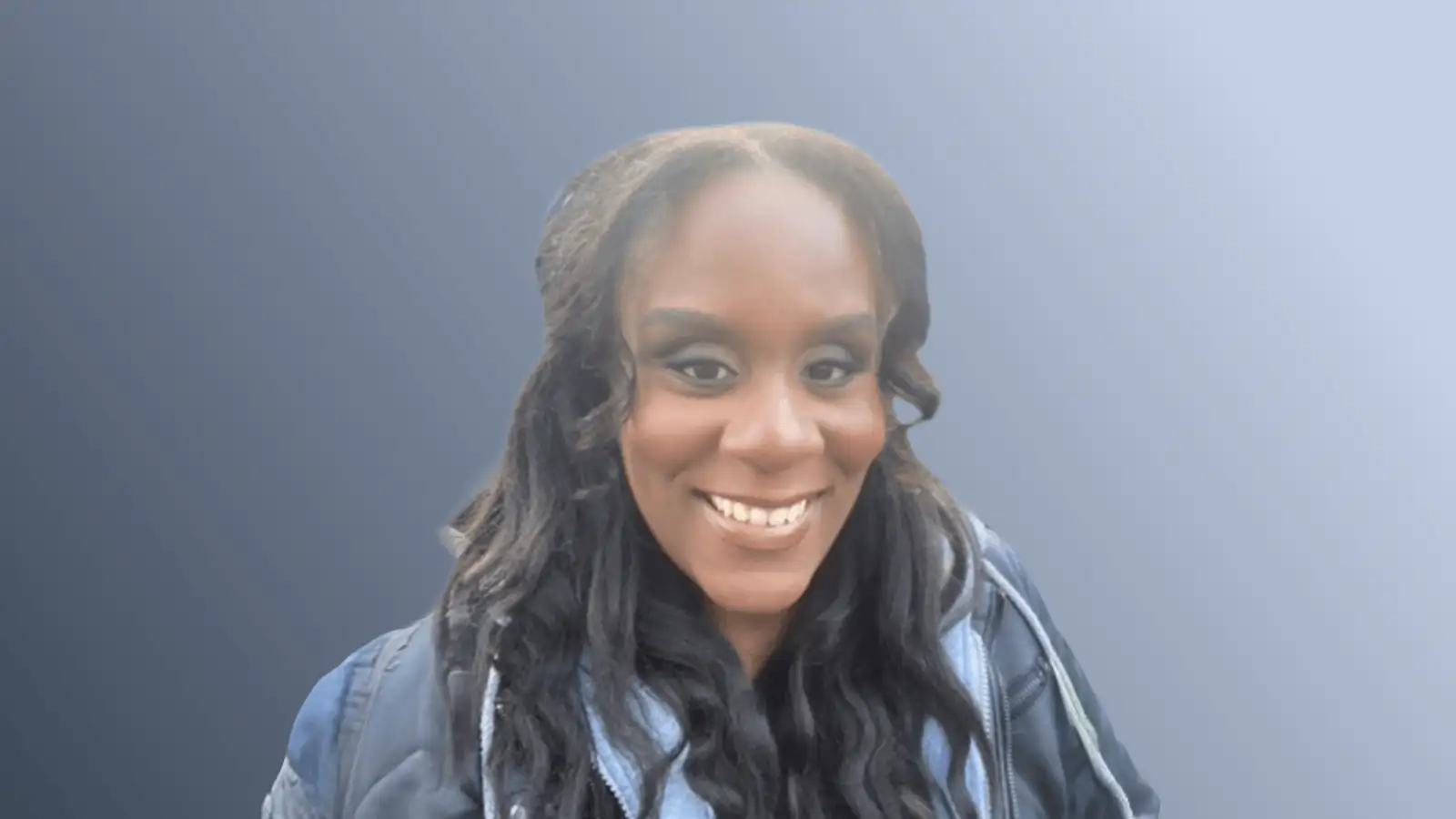
Angelique Lucien

Research Coordinator

Angelique Lucien is a Research Coordinator at Radial, where she supports clinical research focused on advancing innovative treatments in psychiatry and brain health. Her work involves coordinating research studies, engaging participants throughout the research process, ensuring regulatory compliance, and contributing to the collection of high-quality clinical data that helps improve treatment outcomes.


With a strong interest in interventional psychiatry, neuroscience, and mental health research, Angelique is passionate about supporting studies that advance our understanding of psychiatric illness and improve treatment options for patients. She is dedicated to helping ensure that research participants have a positive and supportive experience throughout the research process.


Outside of work, Angelique enjoys traveling, spending time with family and friends, trying new restaurants, and staying active. She is driven by a curiosity about the brain and a commitment to improving the lives of individuals affected by mental illness through research and innovation.

Aleah Goodman

Clinical Research Coordinator & Care Navigator

Aleah Goodman is a Clinical Research Coordinator and Patient Care Navigator with research experience in cognitive psychology and behavioral neuroscience. Her work is driven by a deep interest in the relationship between cognition, mental health, and the development of novel psychiatric treatments. She is particularly drawn to understanding how individuals make sense of themselves and perceive their progress over time, and how these experiences can inform increasingly personalized approaches to treatment.

Aleah supports clinical research in interventional psychiatry, including studies on Transcranial Magnetic Stimulation (TMS) and emerging psychiatric medications and technologies. Drawing on her experience as an Interventional Psychiatry Technician and Patient Care Navigator, she focuses on treatment response and patient-reported outcomes across both real-world and research settings with the goal of translating scientific discoveries into meaningful improvements in patient care.

Nicolas Silva

Clinical Research Coordinator & Interventional Psychiatric Technician

Nicolas Silva is a Clinical Research Coordinator and Intervention Psychiatry Technician passionate about advancing mental health research and care.


He holds a degree in Psychological Sciences from the University of Connecticut and is currently pursuing a Master's in Clinical Social Work — driven by a genuine desire to meet people not just in the data, but in the clinic.

His research interests span two areas he finds deeply connected: the role of faith expression in mental health outcomes, and the expanding frontier of interventional psychiatry treatments such as TMS and Spravato. He believes that understanding what gives people meaning — alongside emerging, evidence-based treatments — is essential to advancing compassionate, whole-person care.

Outside of work, Nicolas finds expression through writing poetry and music, playing guitar, and staying active. Creativity and movement are how he stays grounded — and how he brings a little more humanity into everything he does.


Take the first step and talk to a care navigator.

Your care navigator will explain the process, discuss insurance and costs, and connect you with a clinician to explore today’s most advanced mental health treatments.