
Explore the numbers behind the best depression treatment you've never heard of
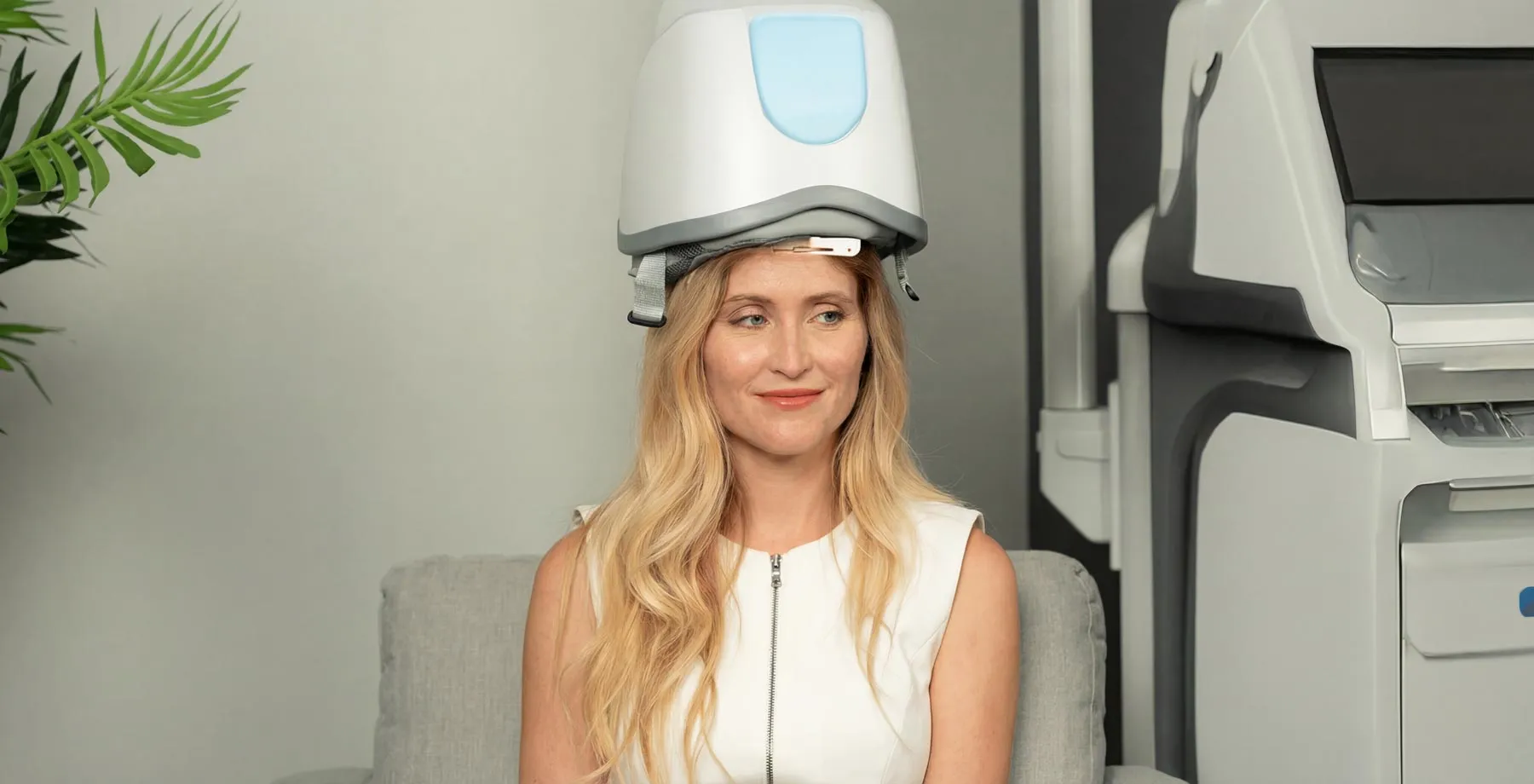

The measurable effects of Transcranial Magnetic Stimulation (TMS)
78%
Remission rate for major depressive disorder with accelerated TMS
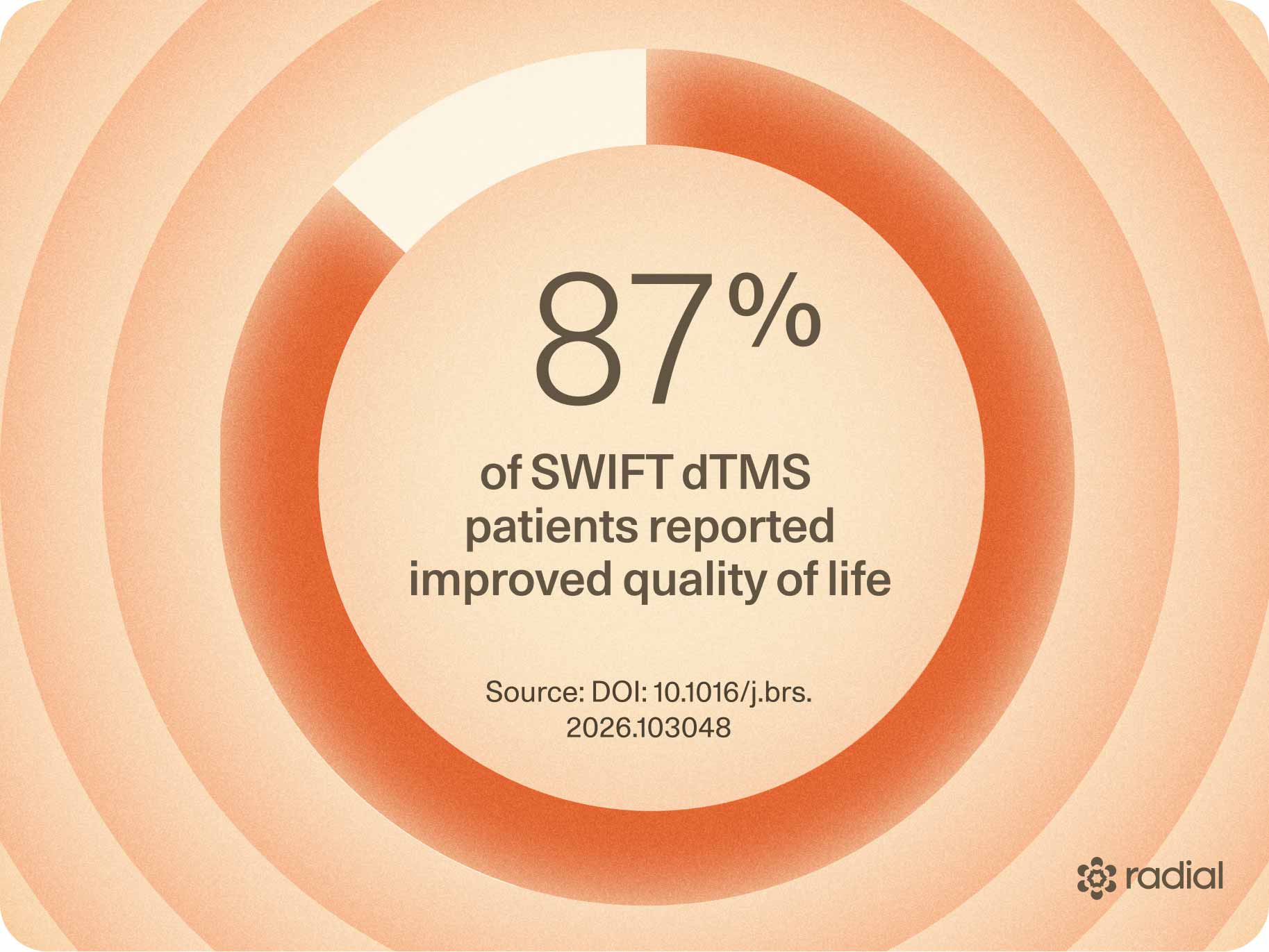
87%
Self-reported improvement in quality of life after accelerated TMS
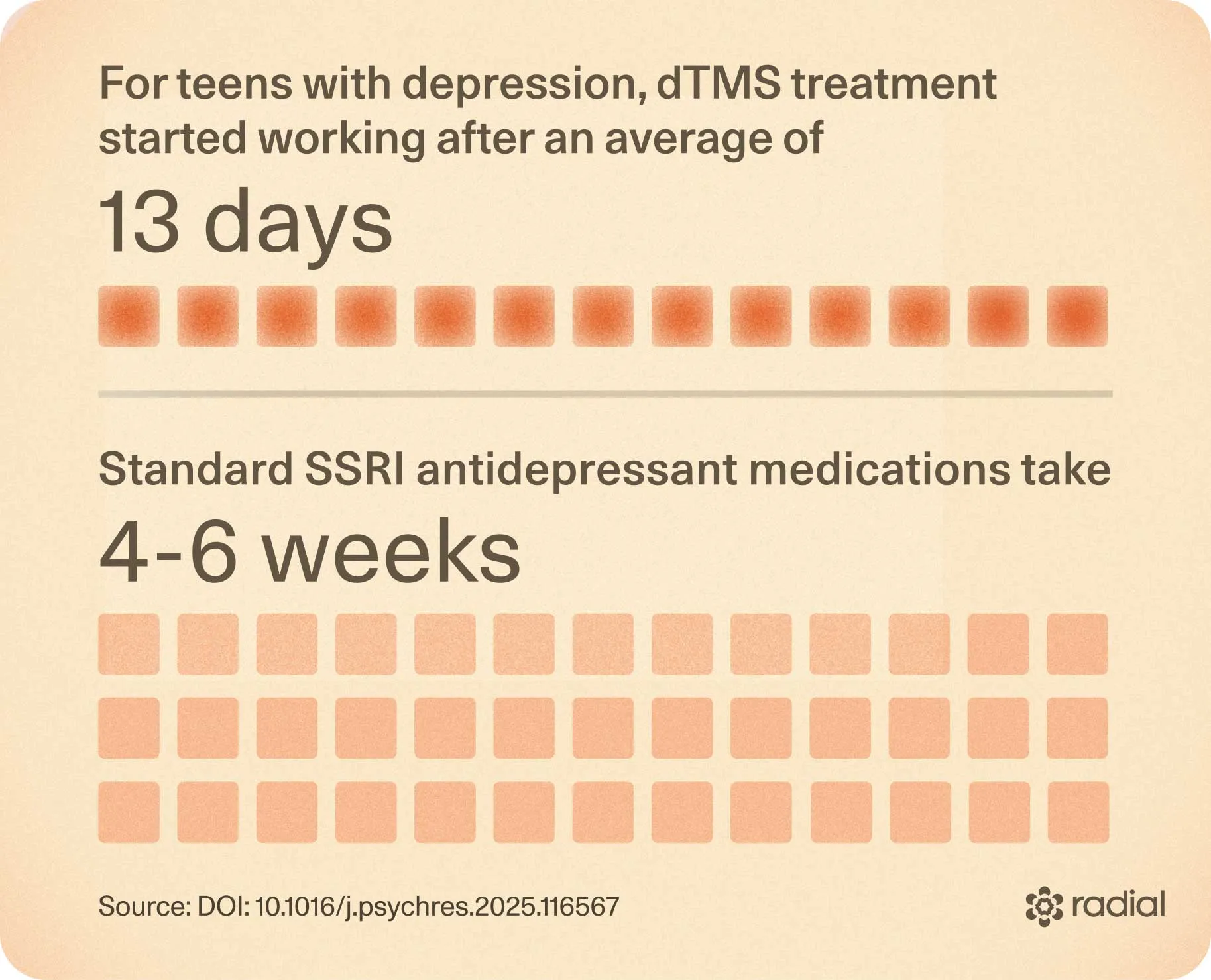
13 days
Average time to first results for accelerated TMS (vs. 4-6 weeks for SSRIs)
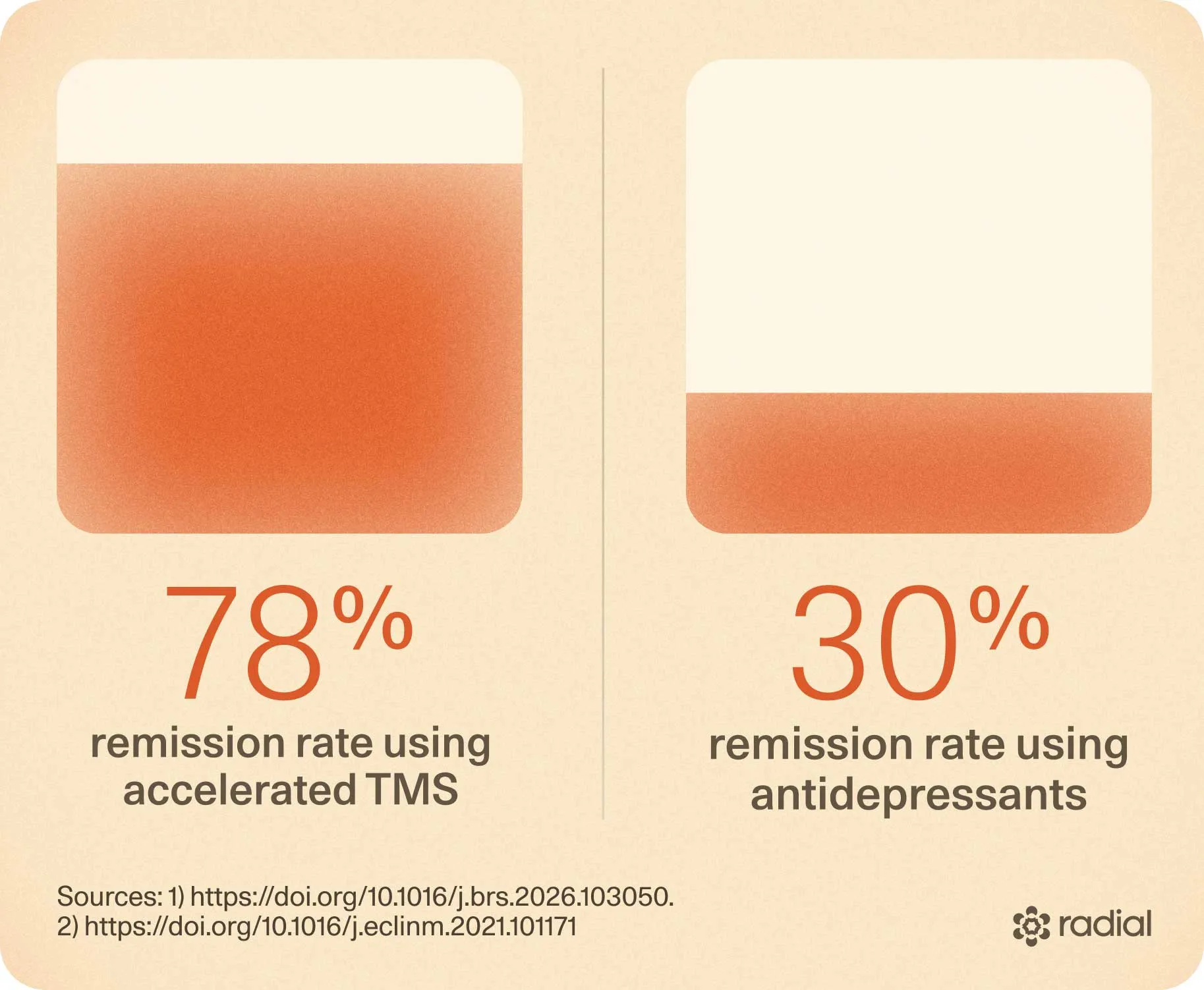
More than double the remission rate of traditional antidepressant treatment
Accelerated TMS’ remission rate (aka the percentage of people whose symptoms improved to the point where depression was no longer clinically significant) is more than double the remission rates of common antidepressants.
SWIFT TMS improved the quality of life for most patients
Patients who underwent treatment with SWIFT accelerated TMS experienced improvement across all quality of life measures, including improved mood, better relationships, less anxiety, more enjoyment in leisure activities, and even better financial health.
A new approach for
teens with depression
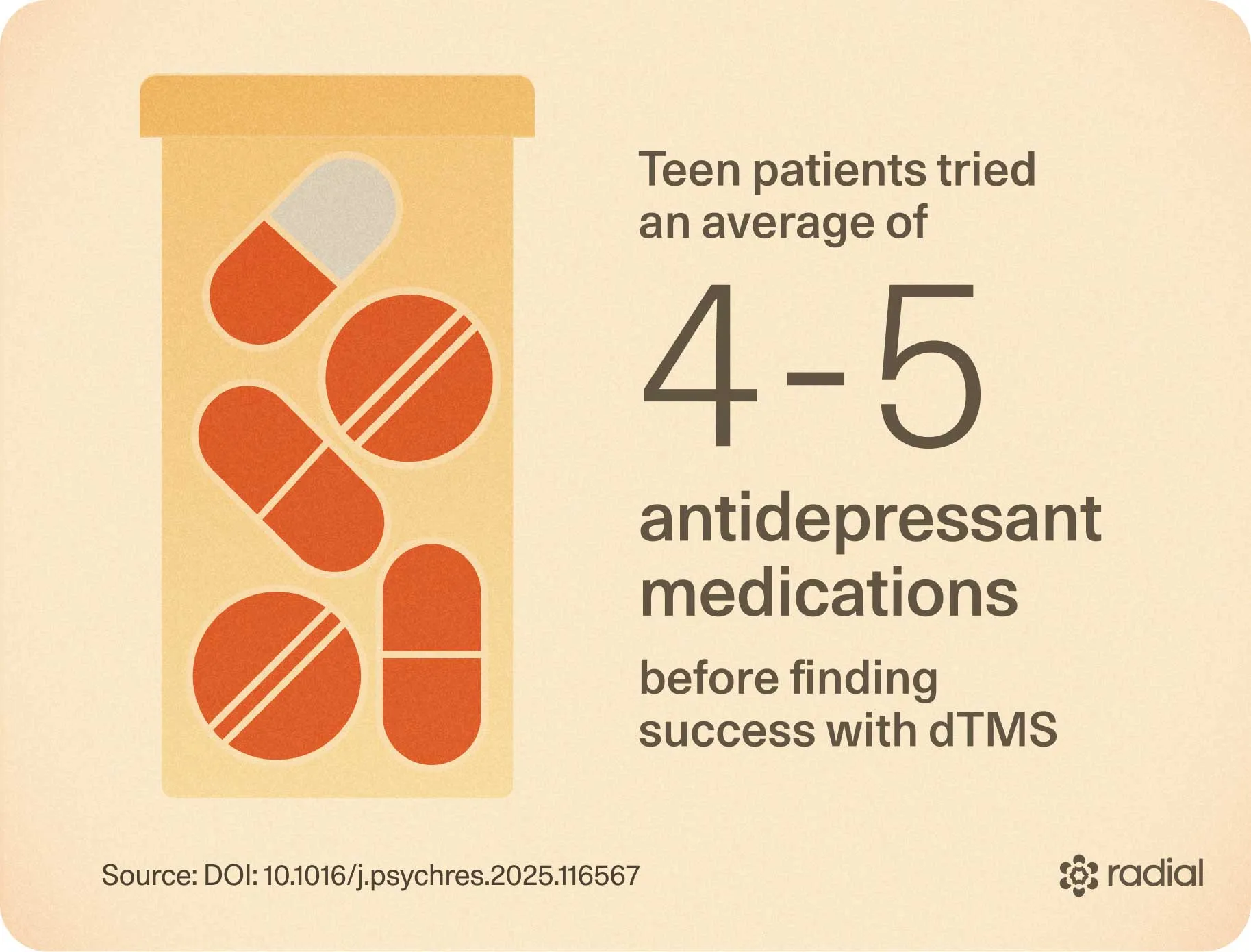
75%
Young people find hope after multiple failed medications
Patients aged 11-21 with treatment-resistant depression who had tried an average of 4.5 medications experienced significant improvement with dTMS. Therapy and medication may help some teens, but for others for whom traditional treatments haven't worked, dTMS provides hope. Plus, dTMS has fewer side effects than traditional antidepressants.
Accelerated and dTMS work fast
For young people with treatment-resistant depression, dTMS treatment started working after an average of 13 days. SSRIs typically take 4 to 6 weeks. For patients in acute distress, that difference can be life-changing.
TMS is effective for more than just depression
TMS has demonstrated meaningful outcomes in treating OCD, anxiety, and substance use disorder.
52%
of patients saw OCD symptom improvement
After just a month of dTMS treatment, more than half of patients with OCD experienced symptom improvement.
32%
of patients achieve full remission from OCD
Approximately a third of treatment-resistant OCD patients achieve full remission following deep TMS — significant for those who haven't responded to medication or therapy.
6→2
Unproductive days per week
People with OCD not only see symptom improvement but also regain productive days.
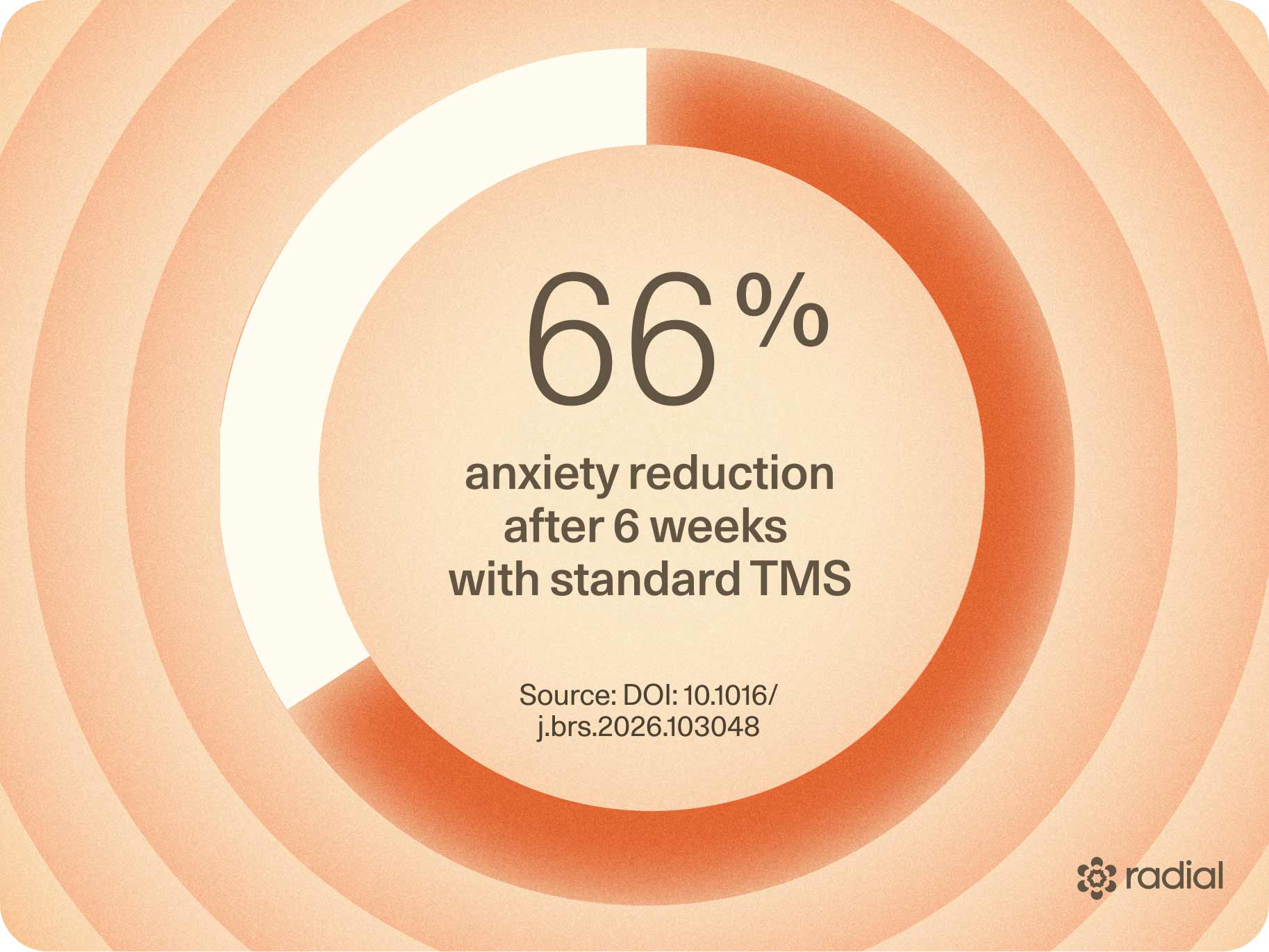
After six weeks of treatment, accelerated TMS reduced patients’ anxiety symptoms by 62% — and traditional dTMS reduced anxiety symptoms by 66%.
The two protocols differ in pacing — accelerated dTMS completes all sessions in five to seven days, while traditional dTMS runs one session daily for approximately 30 days — but both produced meaningful anxiety reduction in clinical studies.
16–17
Among those who get good results, response or remission with deep TMS typically starts after only 16 or 17 sessions.
44%
Six months after dTMS treatment, 44% of patients were still at least halfway better compared to when they began treatment.
66%
One month after fMRI-guided accelerated TMS treatment, 66% of people with treatment-resistant depression experienced improvement.
Tolerability that sets TMS apart
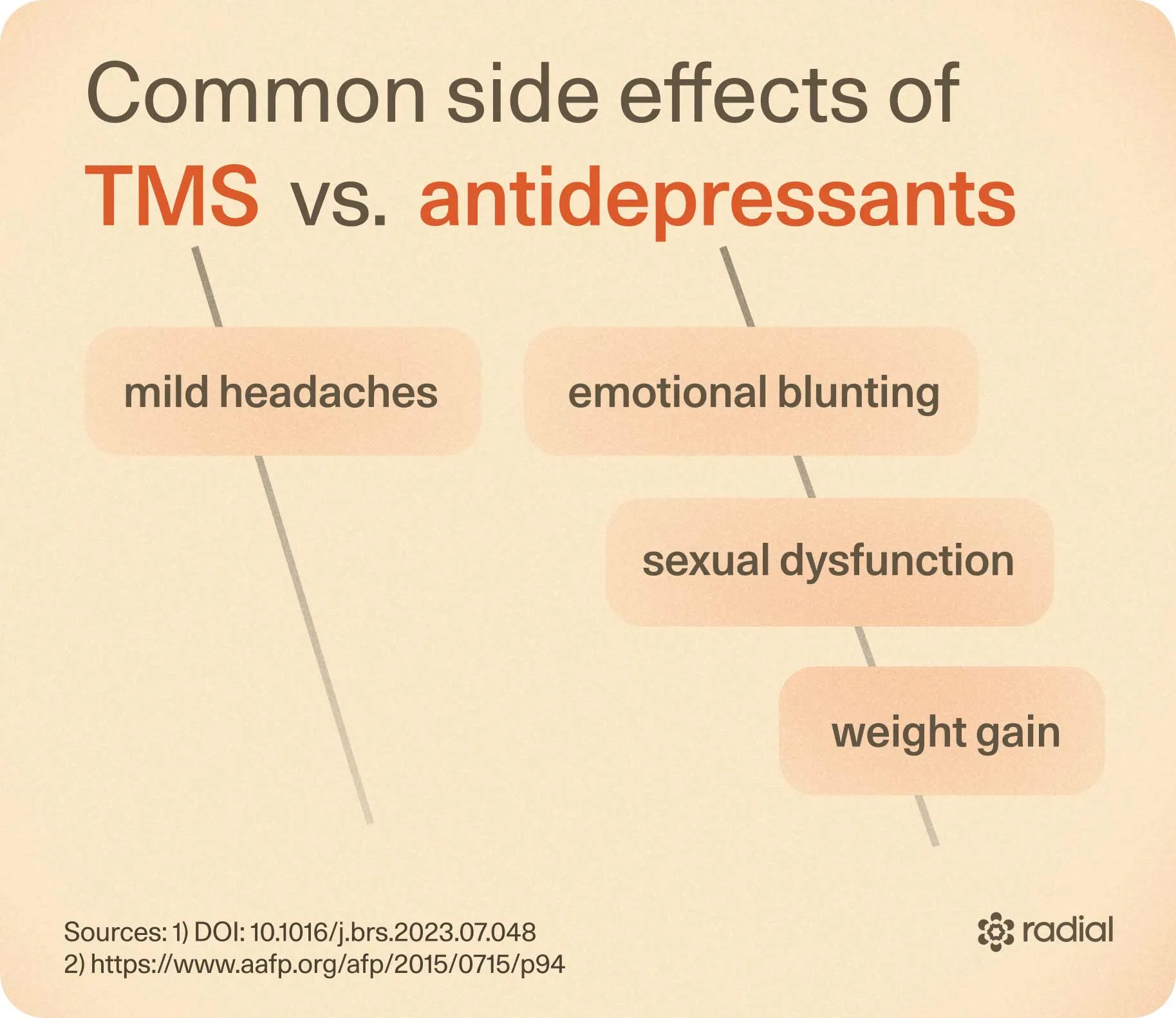
The most common TMS side effect is a mild headache, reported by 35% of patients. Antidepressants cause side effects in roughly 63%, often including weight gain, sexual dysfunction, and emotional blunting. TMS side effects are not only less common, they tend to be more mild and may go away shortly after a TMS session ends. In contrast, antidepressant side effects are much more prevalent and often reduce someone’s quality of life.
Results that last: sustained remission over time
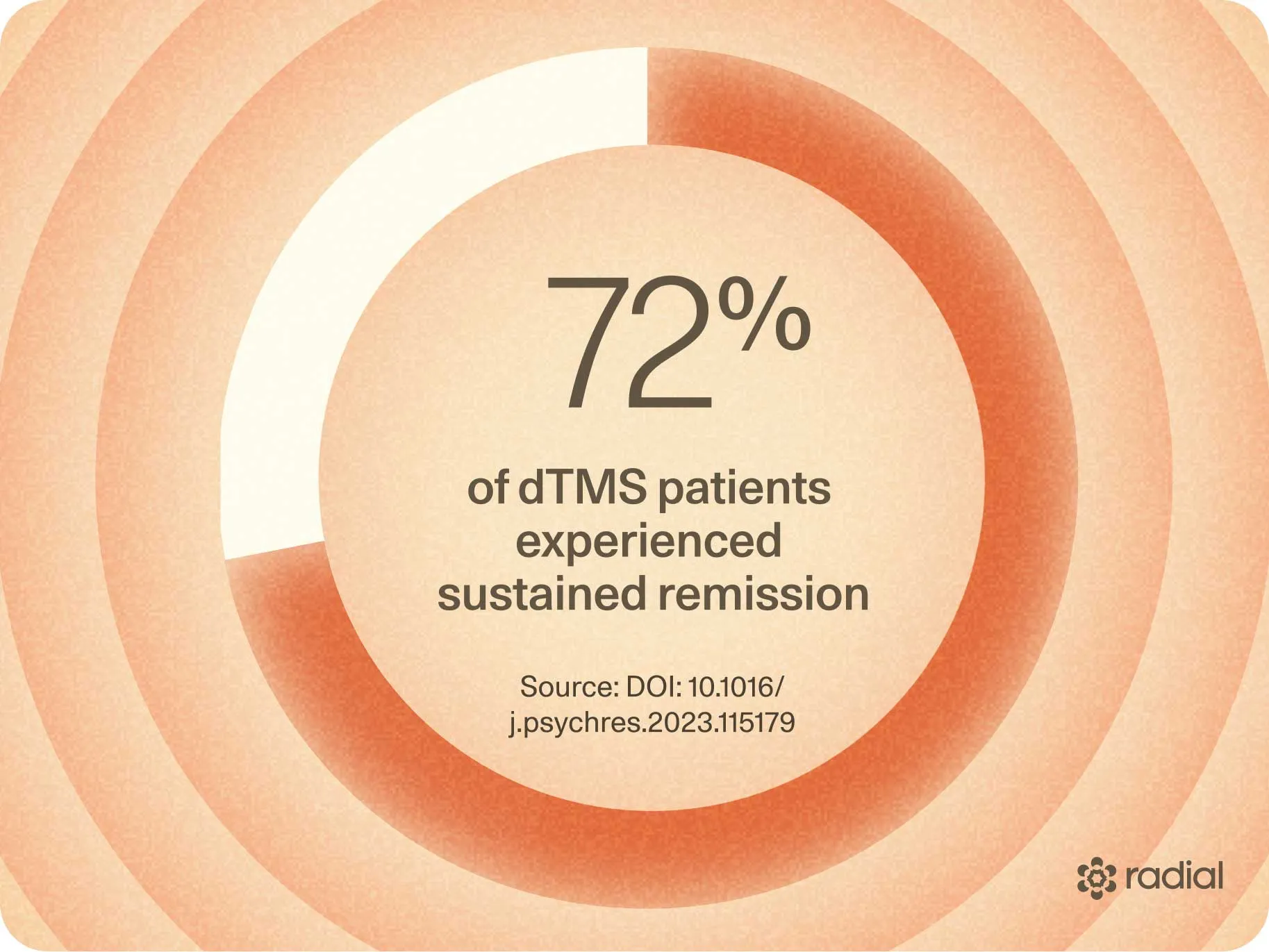
Around 72% of dTMS patients experienced sustained remission. Six months after treatment, 44% still had improvement in symptoms without ongoing sessions. For a chronic condition like depression, durability of response is one of the most important clinical outcomes.
TMS is a lifeline for many
TMS is emerging as a promising non-pharmacological treatment option for substance use disorders.
Tobacco abstinence at 6 months
Tobacco users who underwent rTMS had a 33% abstinence rate 6 months post-treatment — meaningful results for one of the hardest habits to break.
Reduced alcohol use
People with alcohol use disorder treated with rTMS sustained reduced consumption for up to 3 months after their treatment course ended.
Rapid mood improvement
Research suggests accelerated TMS may improve mood within just hours of a session, opening new possibilities for acute mental health intervention.


A treatment worth knowing
TMS deserves a more prominent place in the conversation around depression
The numbers tell a compelling story. TMS is effective, noninvasive, and already changing what’s possible for people living with depression.


